How to start a nature journal without collecting anything
Begin with one nearby view, a date and a few precise observations. Sketch what you notice, keep guesses separate and leave the place as you found it.
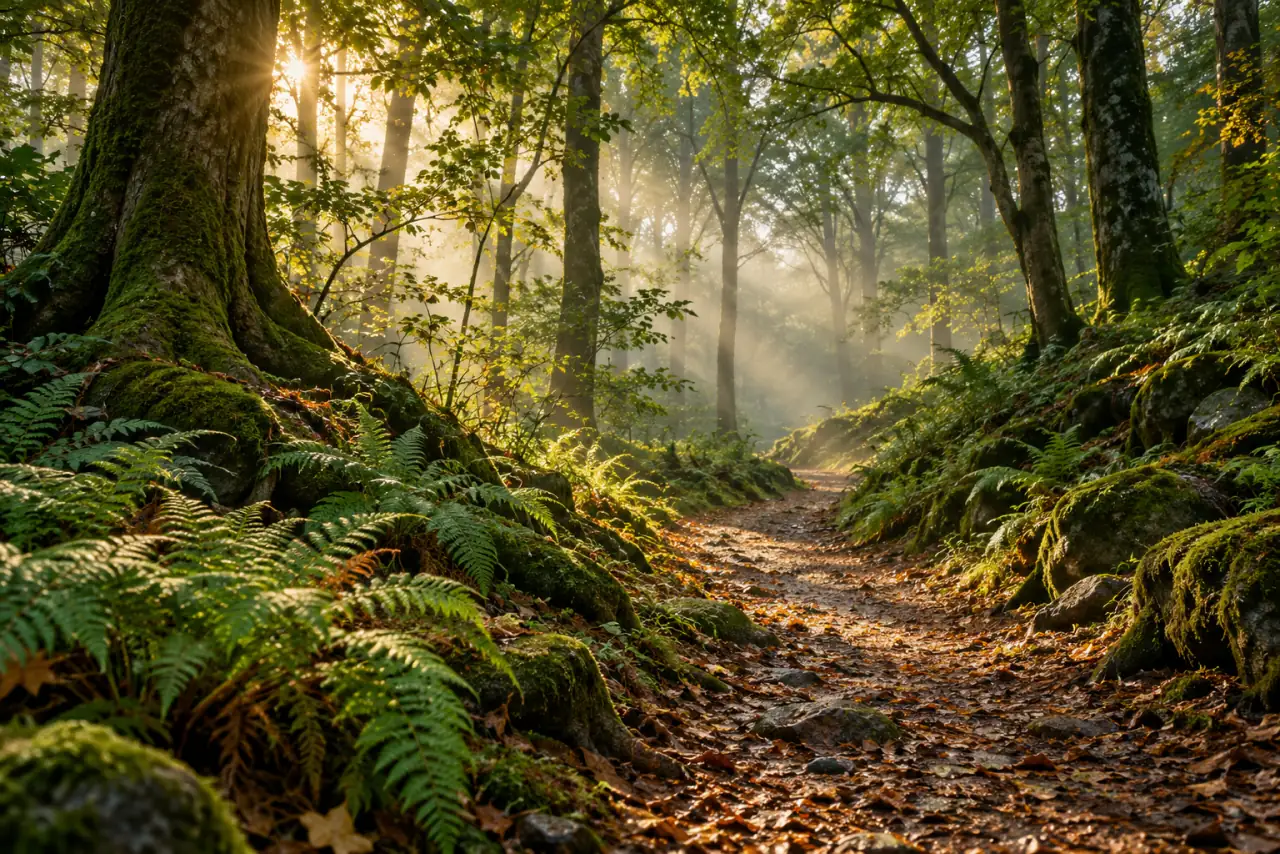
Start with a page you can use again
You can start a nature journal with a pencil, a page and a view of something living. Record the date, describe where you are and choose one detail to draw or describe. A window, a public garden or an established path can be enough. Nothing needs to be picked, pressed or carried home.
Use a notebook you already own, or fold a few sheets into a small booklet. Leave space for writing and an unfinished sketch. A simple page is easier to return to than a layout that demands new materials every time. The aim here is a personal record of attention, with no artistic standard to meet.
This guide offers an observation-only approach. Its layout and example are editorial suggestions you can adapt; they are not a scientific survey protocol or an exercise with a promised health outcome. Choose a place you can access appropriately and an amount of time that fits your day.
For an everyday writing habit, start with our paper journal guide.
Give the observation a setting
At the top of the page, note the date, approximate time and a location description you will recognise later. Add ordinary conditions you can actually observe: cloudy sky, moving branches or a patch of afternoon shade. If you have not measured a temperature or wind speed, a number is unnecessary.
The Natural History Museum's Notes from Nature resource connects journaling with biological recording and identifies who, where, when and what as useful record details. You can borrow that concern for context without claiming that your private notebook is research data. A survey or recording project may have its own instructions, identification requirements and submission process.
Keep precise location details private when sharing them could disclose your home or expose a sensitive wildlife location. A personal page and a public social post serve different purposes. For the notebook, write enough to find your own viewpoint again; decide separately what, if anything, you want to share.
For ideas about choosing a place and noticing details, read An attentive walk.
Separate what you saw from what you think
Choose one subject already visible from your position: a branch, a bird on a distant fence or a small area of planting. Describe a shape, colour, movement or relationship. Three narrow leaves beside a pale stem is a useful beginning even when you cannot identify the plant.
Divide the page into two small spaces labelled Observation and Question. In the first, write details you directly noticed. In the second, record possibilities to check later. A torn leaf edge is an observation; a guess about what caused the tear belongs with the questions. This keeps an attractive explanation from quietly becoming a fact.
Try a sketch with labels instead of an elaborate drawing. Mark the outline, add an arrow to the detail that interested you and write a short description. Leave uncertain names blank or mark them as tentative. You can consult a suitable local guide later without changing the original note to suggest you knew the answer at the time.
Make a record instead of taking a specimen
Let words, a sketch or an optional photograph stand in for a collected object. The National Park Service's Leave No Trace guidance asks visitors to leave natural objects in place, use appropriate routes, give wildlife space and follow the conditions of the place they visit. Local notices and rules should guide your outing.
For this version of journaling, leave leaves attached, keep fallen objects where they lie and observe animals without handling or attracting them. If a closer look would mean stepping into planting, disturbing a nest or blocking someone else's route, choose a different subject. Your page can record that a detail was too distant to resolve.
A photograph is useful when it records something you want to examine later, but it is optional. Consider the frame before taking it: other visitors may not want to appear in your notebook or a public post. The outing can end with a few written lines and no image at all.
Use one example, then return to the same view
Here is a fictional entry to show the difference between observation and inference: Public garden, beside the main path, late morning. Overcast. Three leaves on the nearest branch have pale edges. One leaf moves when the others stay still. Question: is its stem positioned differently? The entry does not identify a species or claim an explanation.
On a later visit, add a new date rather than rewriting the earlier page. Look from a similar position if access and conditions allow. What is still visible? What has changed? A missing leaf or a different shadow is worth describing, while the cause can remain an open question.
Finish with one sentence about what you might look for next time. You do not need a daily streak, a species total or a finished collection. A modest sequence of dated pages can become a useful personal account of a familiar place, with the living details left outside for the next visit.
Sources & further reading
These references support the discussion and offer context for further reading.